








1. I. introduction
The fact that chronic diseases that more people are having, such as insomnia, lumber diseases, and cervical spine problems, are partially due to the overuse of smartphones is ignored [1]. Studies have shown that the extensive use of smartphones could alter circadian rhythms due to blue light exposure, leading to insomnia and reduced sleep quality [2]. In addition, constant use of social media could lead to increased stress and anxiety as people feel pressured to stay connected to the data while continually responding to texts. Since monitoring signals from the galvanic skin response sensor (GSR) and the photoplethysmogram (PPG) is a strong indication of health status, the goal of the study is to collect their data and estimate other values, which enable further studies on the association between smartphone usage duration and stress levels, sleep quality, and outdoor activity time.
2. Methods
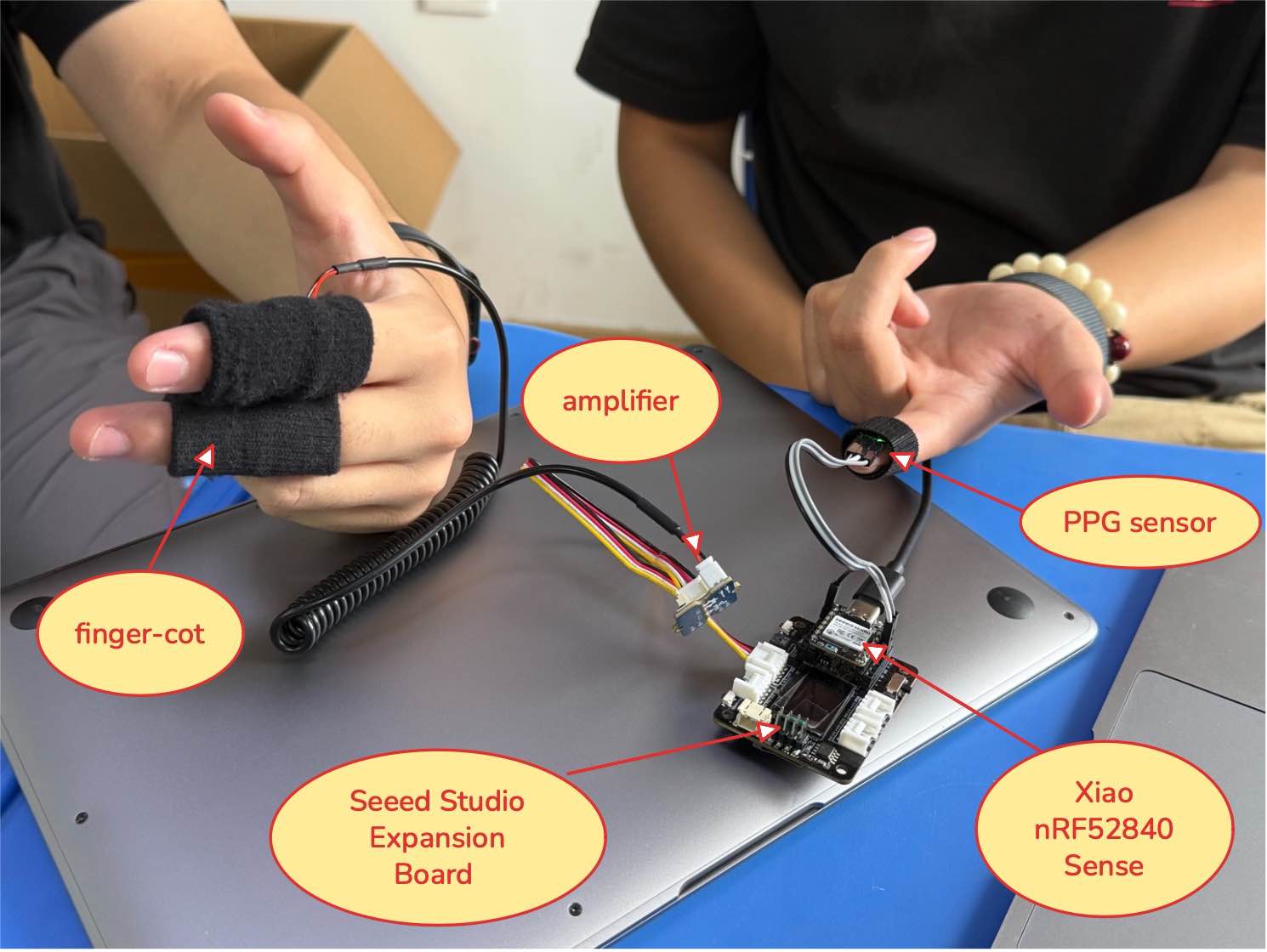
In the study, using Self-Experiment, each of the participants has tested how the values measured on themselves change with the usage time of the smartphone. The devices used were PPG and GSR sensors, and phone apps.
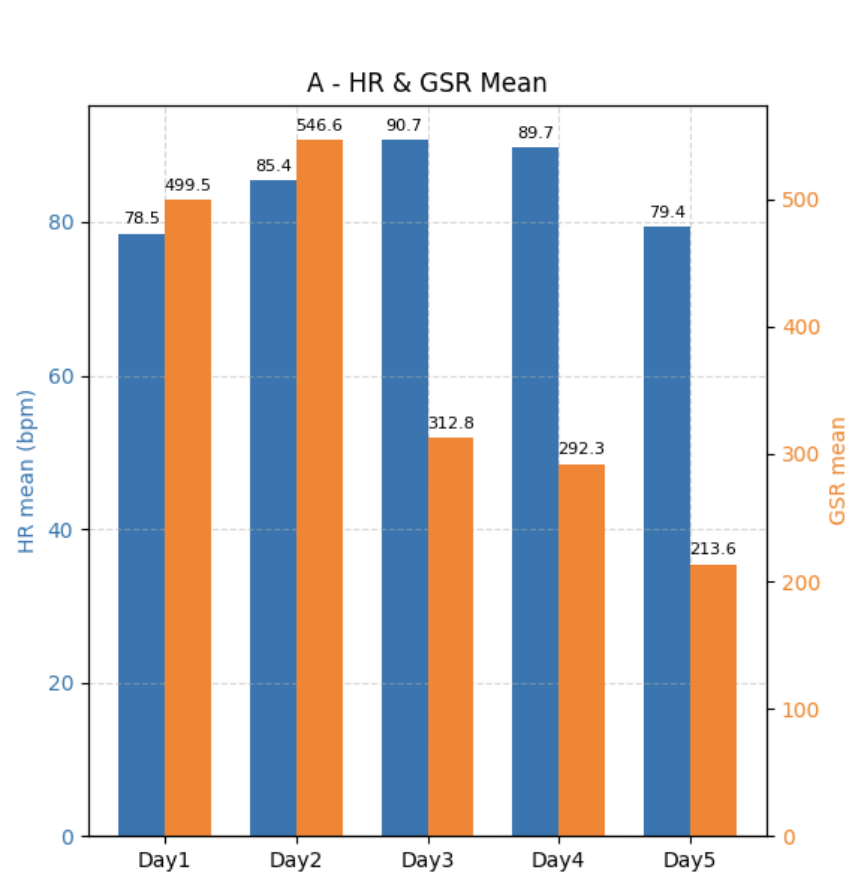
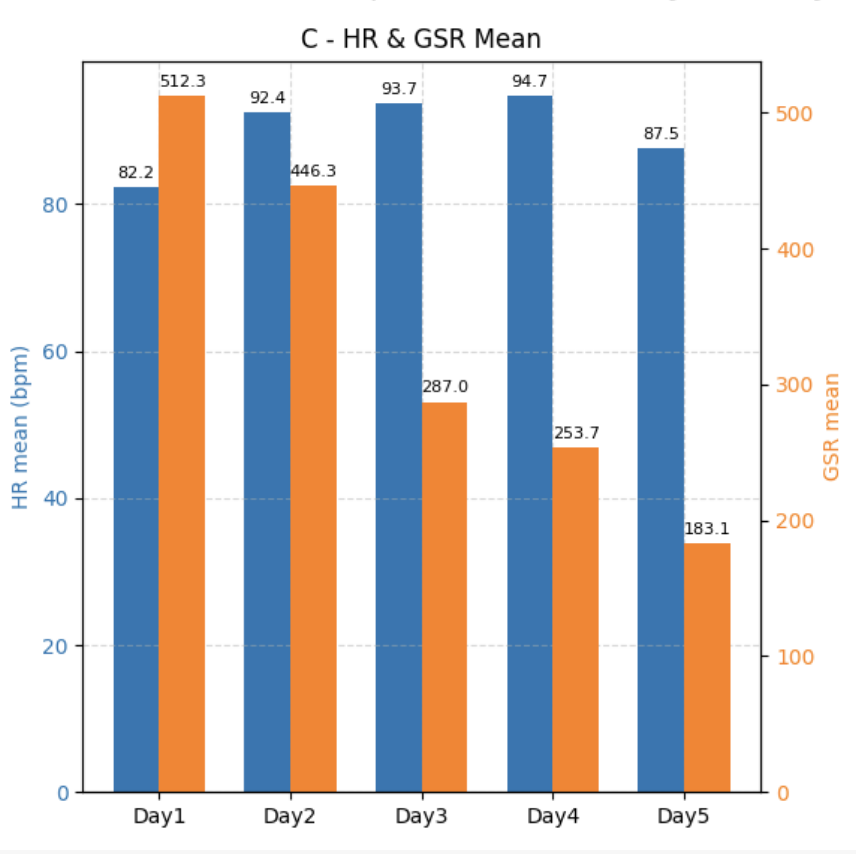
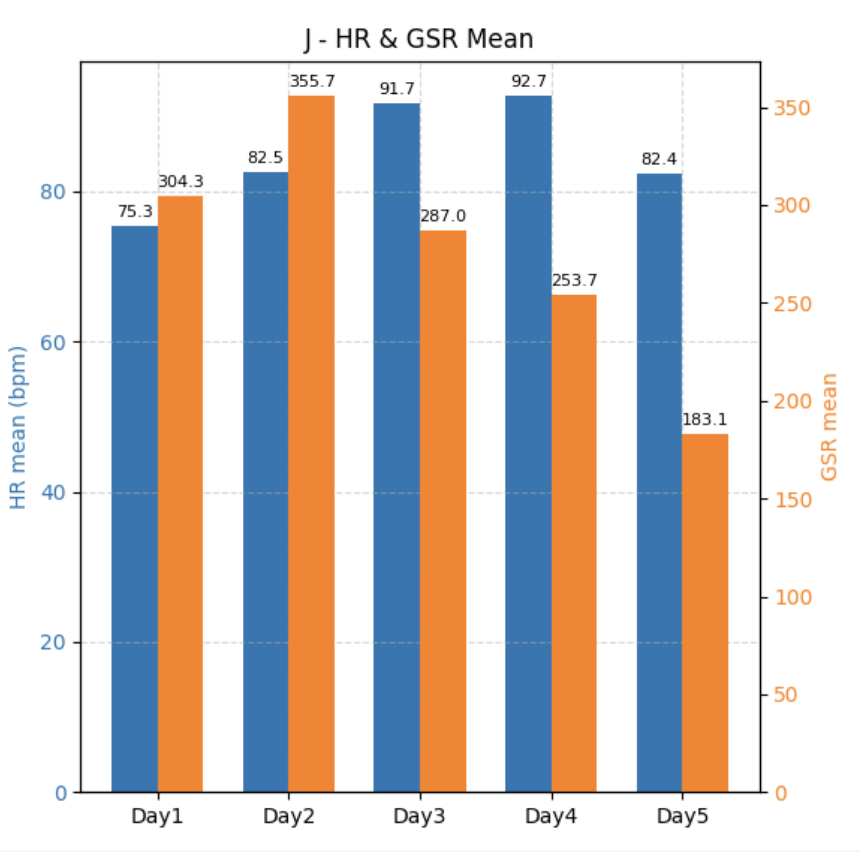
To be more specific, with the sensors, the heart rate and GSR values of each participant are collected at different times of the day (morning, noon, afternoon, and evening) and the values were averaged to create a bar graph at the end of the experiment (Fig.1).
Physiological signals such as Photoplethysmogram (PPG) and Galvanic Skin Response (GSR) are widely used in biomedical and psychophysiological studies. PPG measures changes in blood volume in microvascular tissue, enabling heart rate estimation, while GSR measures skin conductivity changes, which are correlated with sympathetic nervous system activity (e.g., stress or arousal). In this work, the researchers provide a Python-based data visualization pipeline to process raw PPG and GSR signals from a CSV dataset and plot them against time.
During signal processing, heart rate estimation from PPG generally involves peak detection (each peak corresponds to a heartbeat). The steps include computing the time difference between successive peaks and converting it to beats per minute (BPM). The GSR signal represents skin conductivity in microsiemens. It is typically smoother and slower-changing than PPG; GSR values are plotted directly without filtering because their physiological variation is on the order of seconds (low frequency). [3] In general, the PPG waveform exhibits periodic peaks corresponding to heartbeats, while the GSR waveform changes more slowly, typically indicating sympathetic arousal.
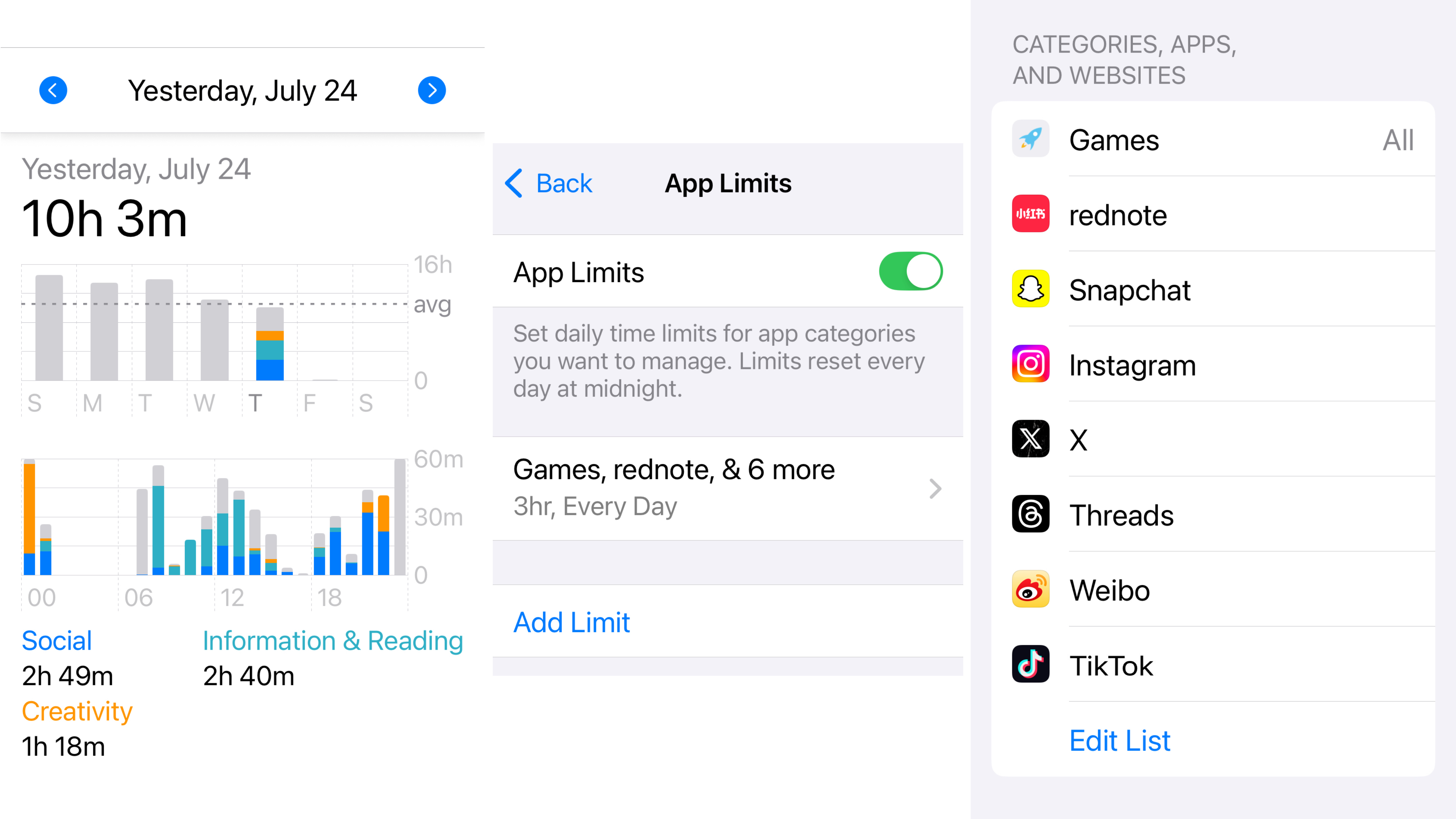
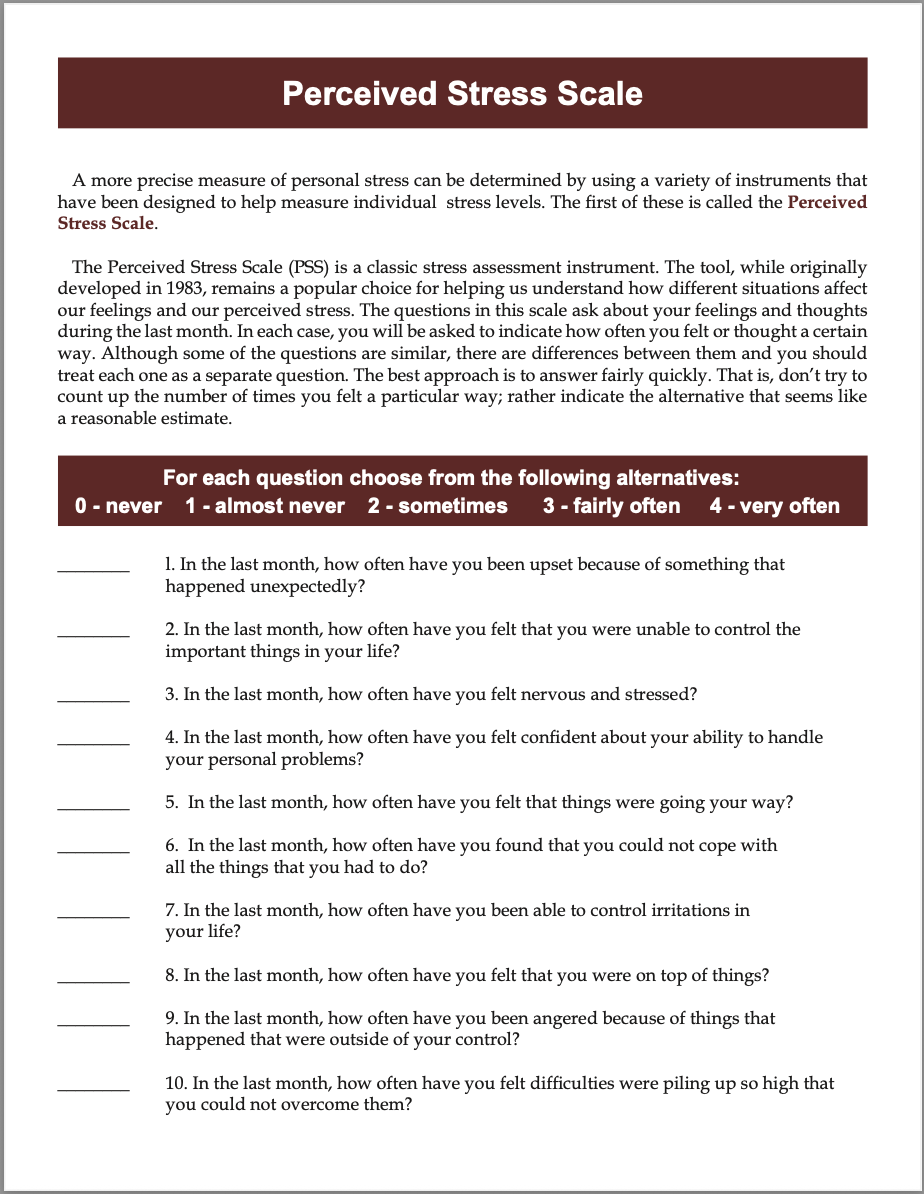
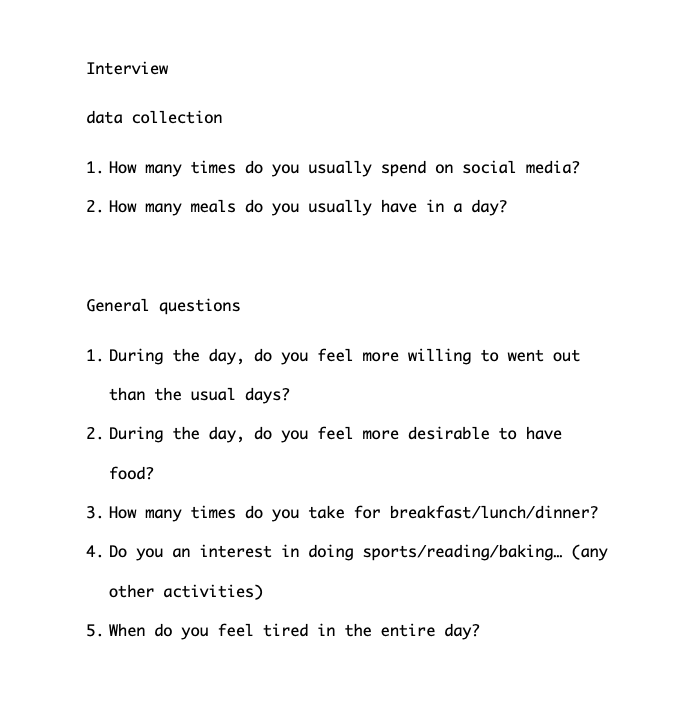
With smartphones, screen time can be controlled by the amount of time spent on the phone for entertainment (Fig.2); at the same time, using Quick Tap, the tester have added a PSS (Perceive Stress Scale) questionnaire (Fig.3) at the end of each day to test the participants’ stress level, giving a standard score, and created a simple interview (Fig.4) to get a general idea of the participants’ situation before the experiment started.
Prolonged smartphone use has been associated with elevated chronic stress [4], mainly driven by involvement with social media, constant notifications, and passive screen time, all of which contribute to cumulative stress over time. Extended exposure to screens, particularly before bedtime, can suppress melatonin production and disrupt circadian rhythms, making it harder to fall asleep and reducing both sleep quality and duration. Daily use of more than two to four hours is associated with increased night awakenings and shorter overall sleep. Furthermore, using phones during meals often leads to distracted eating, increased overall food consumption, and increased preference for high-calorie or sugary snacks, which negatively affects metabolic health. Smartphone users are also more likely to skip main meals, such as breakfast, regularly consume fast food and soda, and exhibit more severe disordered eating patterns.
3. Results
The graphs illustrate the features including the means of GSR (galvanic skin response) and the means of HR (heart rate), for participants A (Fig.5), C (Fig.6), and J (Fig.7) for two days. Although absolute values cannot be directly compared due to the lack of baseline subtraction, day-to-day trends can still provide meaningful insight, especially when aligned with changes in the Perceived Stress Scale (PSS) self-report.
3.1. Heart rate and galvanic skin response
According to the graph, participant A has reported a slight increase in GSR mean of around 50 microsiemens from Day 1 to Day 2, which reaches the peak of GSR value during the period. A dramatic drop, more than 200 microsiemens, happened on Day 3, and in the following days, the value continuously decreases. For participant J who has a similar trend of changes in GSR values as participant A, his highest record is only 355. Surprisingly, the gradient of GSR value remains almost constant, presenting a downward trend.
As for heart rate, all participants showed similar patterns in the experiment: mean heart rate values fluctuated up and down. Participants A and C exhibited distributions resembling a normal curve, while participant J’s data appeared skewed.
3.2. Analyzes of linear regression results: phone usage vs. stress
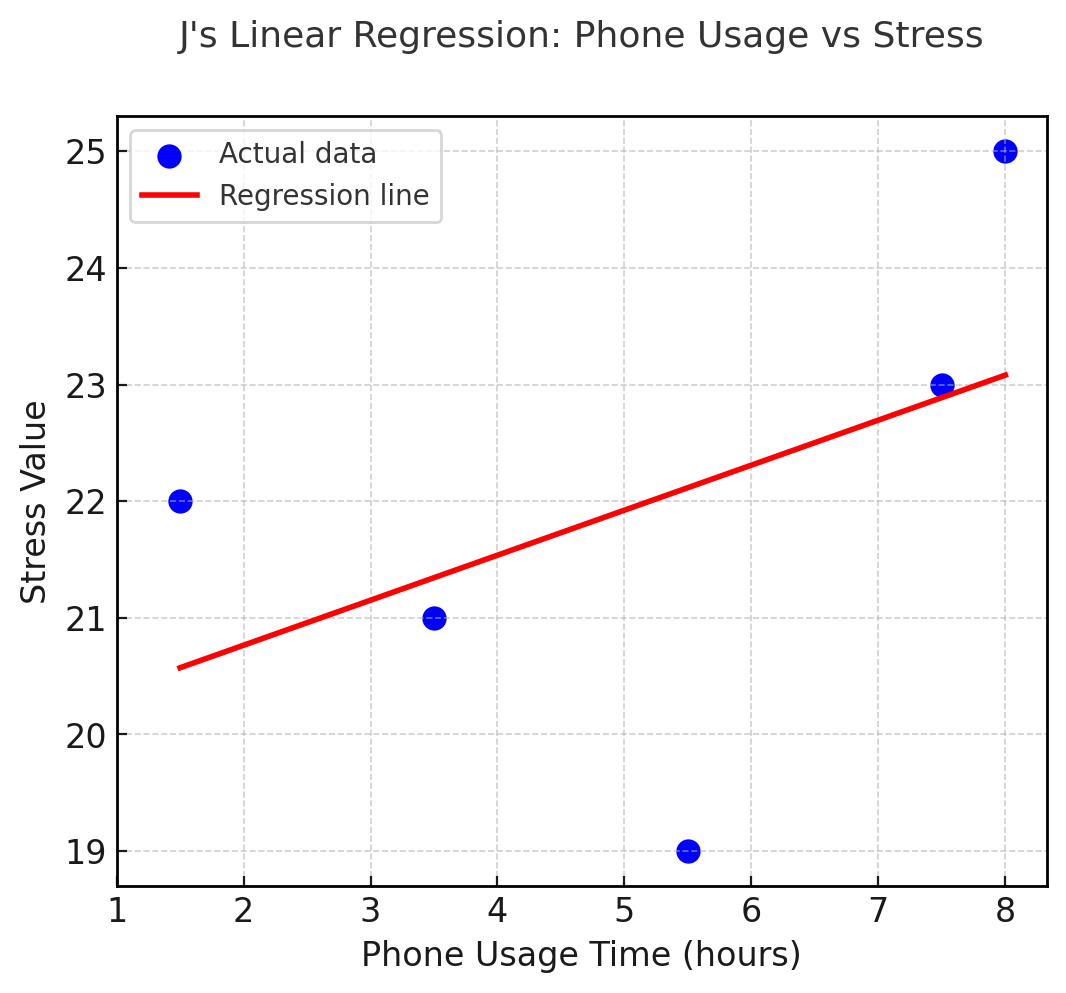
Linear regression analyses presented a compelling but contrasting picture of the relationship between phone usage time and stress levels, suggesting that the dynamic is more complex than a single, uniform correlation.
Graph A – Positive Correlation: Graph A (Fig.8) shows a clear positive correlation between the variables. According to the graph, the regression line slopes upward from 21 to 29—although the true minimum and maximum values are 19 and 30—indicating that as phone usage time increases, stress values also tend to rise.
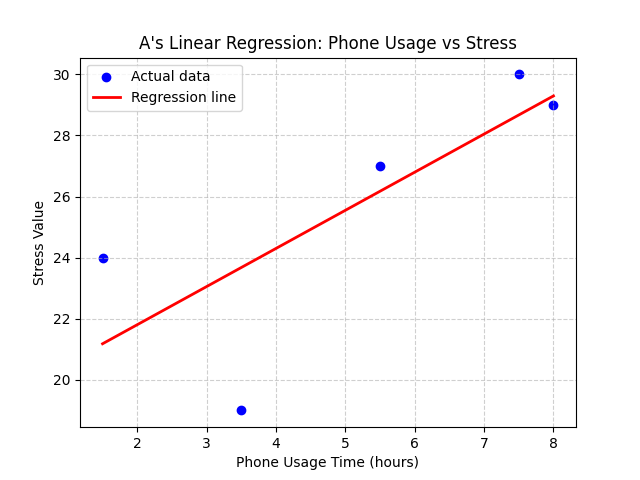
Graph C – Absence of Correlation: In direct contrast, graph C (Fig.9) shows a notably weak relationship. The regression line is flatter than A’s line as the range is 5, and the data points are scattered widely without a discernible pattern.
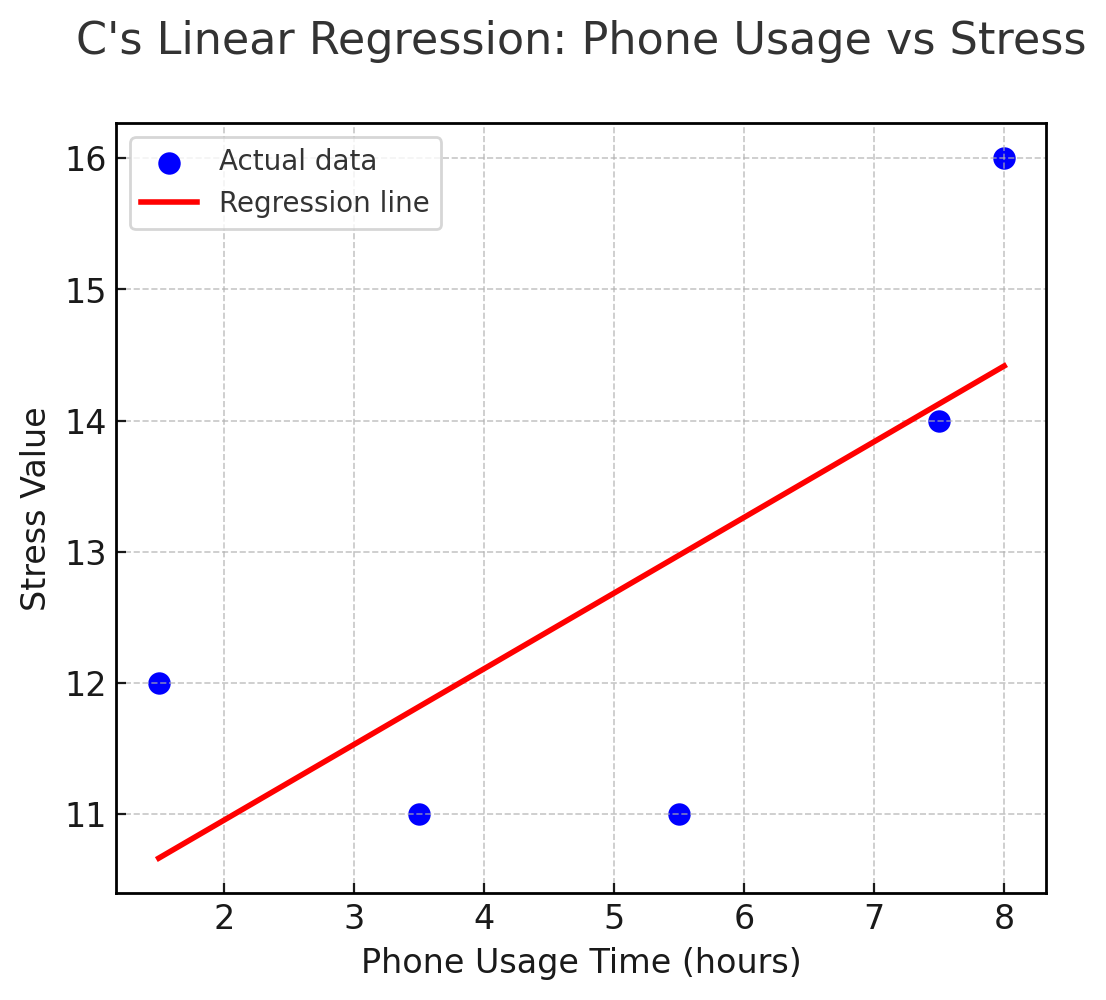
Graph J – Absence of Correlation: Similarly, both Graphs A (Fig.10) and C display small ranges—6 for A and one less for C—indicating that the regression line for participant A is only marginally different from that of C.
3.3. Synthesis and conclusion
The discrepancy between these results leads to a critical conclusion: the impact of phone usage on stress is not deterministic and is likely influenced by mediating factors. The positive correlation in Graph A suggests that a link between high phone usage and stress may exist, while the absence of correlation in Graph C serves as a crucial counterpoint, demonstrating that this link is not inevitable.
This divergence can be explained by several hypotheses. Stress may be less dependent on the quantity of use and more on the quality or nature of the engagement (e.g., passive scrolling versus active communication). Furthermore, individual differences in personality, resilience, or purpose of phone use are likely significant moderating variables [5]. In the final analysis, while a positive association between phone usage and stress is evident in one dataset, its absence in another prevents a broad generalization. The findings indicate that screen time alone is an insufficient predictor of stress, and future research must investigate the contextual and individual factors that define this relationship.
4. Conclusion
Based on the experiment, the experimental group observed some valuable findings. However, due to limitations in the study design, practical applications should be approached with caution. The wearable devices, questionnaires, and other data collection methods used were relatively easy for participants to adapt to. Nevertheless, monitoring outdoor activity time and sleep quality remained challenging. Since these measures vary significantly between individuals, the initial study design was not effective in capturing relevant data. Given the small sample size (only three participants), short duration (five days), and lack of baseline comparisons, the results should be considered preliminary rather than conclusive. Future studies should expand the sample size to improve data quality, extend the observation period, and refine data collection protocols to better establish causal relationships which is the more crucial.
References
[1]. M. H. J. Amin, H. A. Alhadi, A. E. A. Mohamed, H. K. E. T. Yacoub, R. M. H. Khalifa, I. A. E. Dafallah, F. M. O. Yasin, A. M. Taha, M. Y. A. Adam, and M. O. Abualabasher, “Impact of smartphone addiction on health status, mental well-being, and sleep quality among medical students in sudan, ” BMC psychiatry, vol. 24, no. 1, p. 965, 2024.
[2]. G. Tosini, I. Ferguson, and K. Tsubota, “Effects of blue light on the circadian system and eye physiology, ” Molecular vision, vol. 22, pp. 61–72, 2016.
[3]. A. Arsalan and M. Majid, “Human stress classification during public speaking using physiological signals, ” Computers in biology and medicine, vol. 133, p. 104377, 2021.
[4]. M. A. Christensen, L. Bettencourt, L. Kaye, S. T. Moturu, K. T. Nguyen, J. E. Olgin, M. J. Pletcher, and G. M. Marcus, “Direct measurements of smartphone screen-time: relationships with demographics and sleep, ” PloS one, vol. 11, no. 11, p. e0165331, 2016.
[5]. P. H. Lee, A. C. Tse, C. S. Wu, Y. W. Mak, and U. Lee, “Temporal association between objectively measured smartphone usage, sleep quality and physical activity among chinese adolescents and young adults, ” Journal of sleep research, vol. 30, no. 4, p. e13213, 2021.
Cite this article
Zhou,Q.;Wang,X.;Zhou,J. (2025). Life Manipulating Device: The Association Between Smartphone Usage Duration and Stress, Sleep, and Outdoor Activity. Communications in Humanities Research,100,124-133.
Data availability
The datasets used and/or analyzed during the current study will be available from the authors upon reasonable request.
Disclaimer/Publisher's Note
The statements, opinions and data contained in all publications are solely those of the individual author(s) and contributor(s) and not of EWA Publishing and/or the editor(s). EWA Publishing and/or the editor(s) disclaim responsibility for any injury to people or property resulting from any ideas, methods, instructions or products referred to in the content.
About volume
Volume title: Proceeding of ICIHCS 2025 Symposium: The Dialogue Between Tradition and Innovation in Language Learning
© 2024 by the author(s). Licensee EWA Publishing, Oxford, UK. This article is an open access article distributed under the terms and
conditions of the Creative Commons Attribution (CC BY) license. Authors who
publish this series agree to the following terms:
1. Authors retain copyright and grant the series right of first publication with the work simultaneously licensed under a Creative Commons
Attribution License that allows others to share the work with an acknowledgment of the work's authorship and initial publication in this
series.
2. Authors are able to enter into separate, additional contractual arrangements for the non-exclusive distribution of the series's published
version of the work (e.g., post it to an institutional repository or publish it in a book), with an acknowledgment of its initial
publication in this series.
3. Authors are permitted and encouraged to post their work online (e.g., in institutional repositories or on their website) prior to and
during the submission process, as it can lead to productive exchanges, as well as earlier and greater citation of published work (See
Open access policy for details).
References
[1]. M. H. J. Amin, H. A. Alhadi, A. E. A. Mohamed, H. K. E. T. Yacoub, R. M. H. Khalifa, I. A. E. Dafallah, F. M. O. Yasin, A. M. Taha, M. Y. A. Adam, and M. O. Abualabasher, “Impact of smartphone addiction on health status, mental well-being, and sleep quality among medical students in sudan, ” BMC psychiatry, vol. 24, no. 1, p. 965, 2024.
[2]. G. Tosini, I. Ferguson, and K. Tsubota, “Effects of blue light on the circadian system and eye physiology, ” Molecular vision, vol. 22, pp. 61–72, 2016.
[3]. A. Arsalan and M. Majid, “Human stress classification during public speaking using physiological signals, ” Computers in biology and medicine, vol. 133, p. 104377, 2021.
[4]. M. A. Christensen, L. Bettencourt, L. Kaye, S. T. Moturu, K. T. Nguyen, J. E. Olgin, M. J. Pletcher, and G. M. Marcus, “Direct measurements of smartphone screen-time: relationships with demographics and sleep, ” PloS one, vol. 11, no. 11, p. e0165331, 2016.
[5]. P. H. Lee, A. C. Tse, C. S. Wu, Y. W. Mak, and U. Lee, “Temporal association between objectively measured smartphone usage, sleep quality and physical activity among chinese adolescents and young adults, ” Journal of sleep research, vol. 30, no. 4, p. e13213, 2021.