





1. Introduction
Since 2020, China has been suffering from Covid-19, especially in 2022, Shanghai, Covid-19 has been spreading dramatically; during the lockdown time, even the traditional e-commerce platform and logistic chains were cut. More seriously, the logistic system was even disrupted.
The logistics in the whole metropolis were suspended for a month, bringing great trouble to the convenience of people's lives. In the lockdown situation, not only B2B and B2C e-commerce platforms have slowed down logistics, but traditional takeaway software has also been shut down. In such a situation, community-group purchasing has rapidly been set up, providing benefits for citizens [1].
As an emerging industry, the primary mode of community-group purchasing is to buy goods in the community [2]. Suppliers will distribute the goods by orders to the community gate, and specific volunteers deliver goods to customers in the form of "last 100 meters". However, the limitations of such an industry could be incomplete and inefficient logistics.
Also, in China, defeating Covid-19 has been regarded as a "protracted-war", so how to comply with such variation and maximize the convenience of residents to reduce the inconvenience caused by Covid-19 could be the main issue. That could be the reason why we will take the initiative to do relevant research work.
A story about the condition of lockdown time could better evaluate the importance of community group purchasing: In the first few days of the lockdown, every resident in Shanghai woke up very early trying to place an order for Meituan or Dingdong applications [3]. However, because the delivery source during lockdown time is exceptionally scarce, most residents could not rush to purchase necessities on these platforms.
In this situation, most of the residents felt anxious and confused, so they turned to other ways of getting vegetables, meat or other life necessities. Given the inability of significant firms to suddenly provide the delivery and logistics personnel needed to complete specific grocery orders for a city of 26 million people, residents have turned to informal community group buying. Gradually, residents found out that "kuaituantuan", an emerging group-purchasing application, could be used to satisfy their needs, which we will also discuss in several slides later.
2. Main Problem
In our research paper, we will explore how data analysis can be used to increase the efficiency of the logistics of community group purchases. Ways include using big data analysis tools, finding reliable data and information sources, and imposing a workable way for the paper's topic, including digitization and data analysis. So by using those tools, the efficiency of community group purchasing can effectively increase time, time, and reliability.
3. Research Methods
Research Design: To do this research, our research is divided into three parts: In Part A, our research is designed to comprehensively analyse the Community Group Purchasing model structure and figure out how it works via online sources and research papers. Also, it is significant to research the Community Group Purchasing chain to analyze the advantages of this business model. In Part B, a secondary survey data source is used in this part to help readers have a better overview of the Community Group Purchasing model and understand its weaknesses. Then, in Part C, the analysis of 3 standard CGP logistics modes is made, which shows the limitations of existing logistics modes.
3.1. The Analysis of Community Group Purchasing Models
3.1.1. Advantage of Community Group Purchasing - Price Advantage
One of the advantages of Community Group Purchasing is the price advantage. In the traditional fresh food industry, there are many middlemen. They make money by reselling, which increases the price. These middlemen send the goods to local markets such as vegetable markets or supermarkets. In this chain, there are six price markups, which boost the final price at 100% markup rate, which means the customer needs to pay two times the original price to buy commodities.
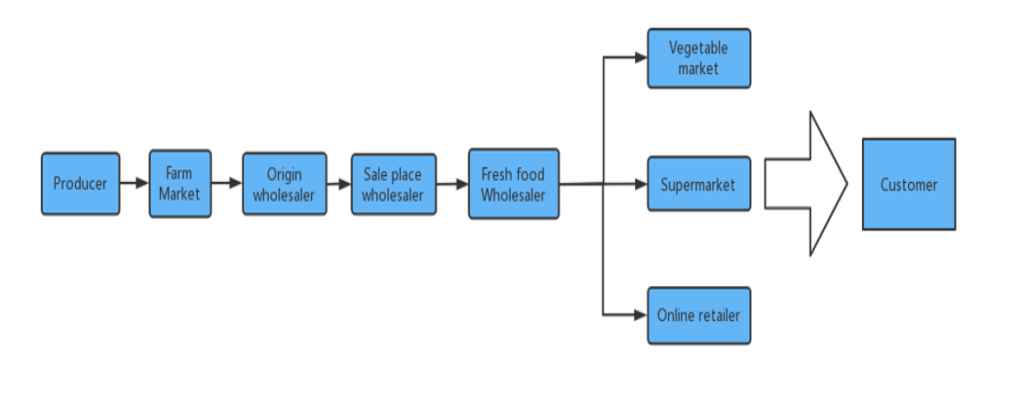
Figure 1: Traditional fresh food industry chain.
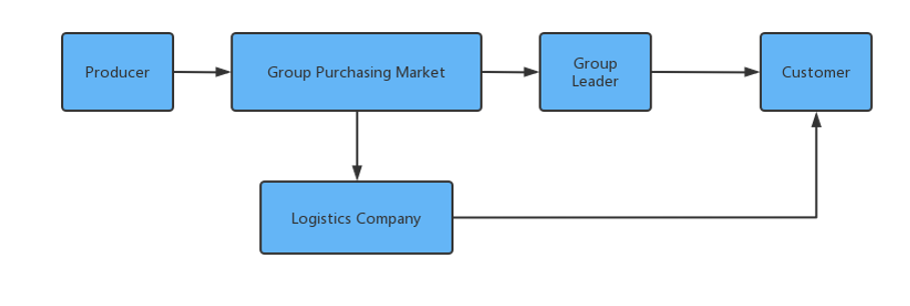
Figure 2: Community group purchasing chain.
However, in the Community Group Purchasing mode, there are just three price markups at 50% markup rate. First, producers send their goods to the warehouse of CGP platforms, which is the group purchasing market. Then, the goods can be delivered to customers via group leaders or other logistics companies. Therefore, the CGP has price advantages in the fresh food industry.
In CGP mode, the Group Purchasing Market is similar to the standard group buying platform. The only difference is that the Group Purchasing Market of CGP is community-oriented, which means if 30 individuals that are not live in the same community and one community purchasing group that involves just 15 people place their order at the same time, the CGP platform will give priority to sort and send goods to the community purchase group. The primary function of the Group Purchasing Market is connecting merchants to consumers. Merchants send their commodities to the warehouse of CGP platforms and upload goods information to the Group Purchasing Market Platform Apps, so consumers and group leaders can see the commodity information on the purchasing Apps. Then, when consumers and group leaders place orders, the platform will deliver goods in one logistics mode of 3 everyday logistics modes: CGP group leader mode, logistics service outsourcing mode, and real-time distribution logistics mode.
Group leaders and logistics companies can be seen as the distribution points. When they receive the goods sent from the platforms, they must deliver them to the customers. In this model, the group leader is a new role in the community group purchasing mode but not in the traditional group buying mode. The group leader is a distribution point and the initiator of the community group purchase. First, they will collect the demand information in their communities and aggregate the purchase list. Then, the group leaders place orders on the group buying platforms. Also, these group leaders can be the merchants' marketing persons because they can post advertisements and make recommendations of commodities to potential customers in their communities via WeChat or other social media.
3.1.2. Advantage of Community Group Purchasing - Expanding Market Advantage
Another advantage of CGP is the rapidly expanding market [5]. This new purchasing mode is easily spread via online social media and daily communication. In the past three years, the market size of CGP increased from 34 billion yuan to 102 billion yuan. At the outbreak time of the covid-19, the growth rate reached more than 100 per cent. This data shows increasing demand for Community group purchasing, and more and more companies are entering this industry [6].
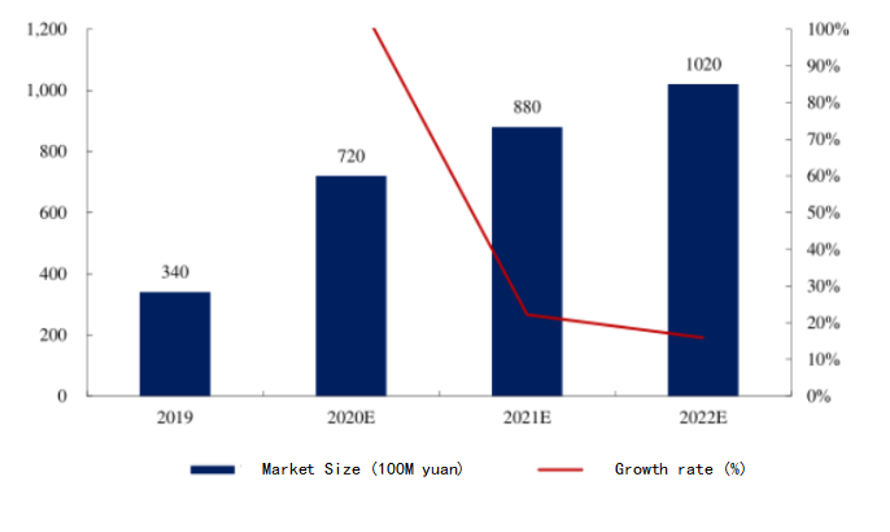
Figure 3: CGP market size (Source: Industrial Securities Report [4]).
3.2. Importance of Enhancing Logistics Quality and Efficiency
To research the importance of enhancing logistics quality and efficiency, we would introduce one survey data collected by SWS Research. This survey focuses on customers' feedback for the Community Group Purchase (CGP) mode.
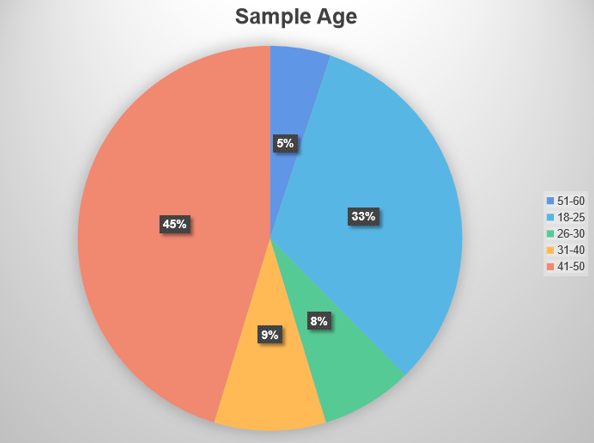
Figure 4: Sample Age Distribution (Data: Questionnaire Survey of Community Group Purchasing; Data source: SWS Research [7]; Sample size: 393 people in total) (Source: SWS Research).
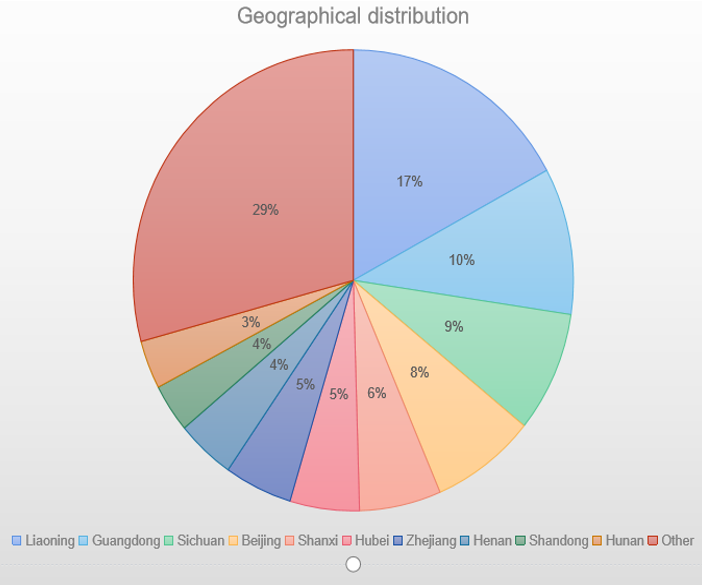
Figure 5: Sample geographical distribution (Source: SWS Research).
Graph 3 and 4 show the Sample demographic. In this survey, there are 393 samples. 83.8% are female. The age of the sample ranges from 18-60. 45% of samples are 41 to 50 years old. This data shows that most consumers of CGP are middle-aged women. Also, samples are selected from different provinces in China, with a relatively balanced distribution across China, which can help us to have a brief overview of the whole country.
3.2.1. What Do Consumers Care about?
Through the survey, the outcome shows that consumers are paying great attention to price, delivery speed, and Goods quality when they are doing community group purchasing. 65% of people noted that the delivery speed is a particular issue. Figure 6 indicates that most consumers do not care about service quality. Instead, they care whether they can get the goods with a short delivery time and high quality.

Figure 6: Considerations of consumers (Source: SWS Research survey).
3.2.2. Dissatisfaction Feedback
This survey also gathered dissatisfaction feedback for Community Group Purchase. Consumers care about the sufficiency, variety, and quality of goods. Moreover, many consumers complain about the long delivery time and distance to distribution points. This feedback outcome indicates that the Community Group Purchase mode has these problems. Nevertheless, we will post some suggestions to solve these problems in the Main discussion.
3.2.3. Types of Goods That Consumers Choose
This graph is the data of commodity types that customers would choose when they are making Community group purchases. In the Community Group Purchase, most goods are fresh food such as fruit, vegetable, and milk. However, we know that Fresh food can quickly go wrong. Therefore, customers would have higher requirements for logistics efficiency in Community Group Purchase mode than in traditional online purchases.
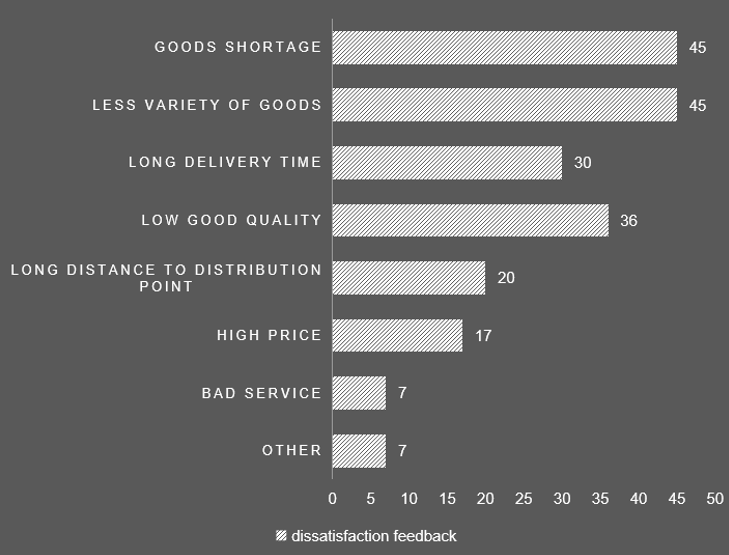
Figure 7: Dissatisfaction feedback (Source: SWS Research survey).
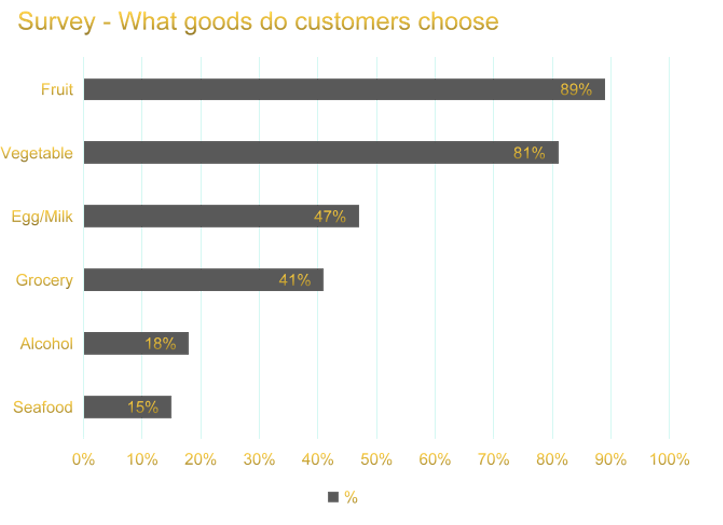
Figure 8: Goods types of CGP (Source: SWS Research survey).
Then, combining all data from this survey, our research decided to make a profound study of the logistics model of Community Group Purchase to seek reasonable solutions to those problems listed above.
3.3. The Analysis of 3 Common Types of Community Group Purchasing Logistics Modes
3.3.1. CGP Group Leader Mode
Buying leader is a person who integrates the demand of one community via online social communication apps like WeChat and QQ. They use the influence in the community to collect customer resources by recommending goods of platform merchants, convening a group of group-purchase customers, and placing an order of the group to platform enterprises that provide the goods to the community. Then, the platform enterprises send goods to group leaders. Then, the group leaders perform as distribution points, sorting the commodities and sending these goods to consumers or letting consumers pick up these goods. Moreover, this mode is the first prevailing logistics mode of Community Group Purchase [8].
However, the CGP group leader mode has the problems of low speed, low goods variety, and the potential to cause conflict.
The group leader is the only connection point between the consumer and the platform, so logistics efficiency is limited because it takes a long time for the group leader to sort and send commodities to the community.
Also, the platforms often provide limited commodity variety for group leaders to recommend because the platforms cannot integrate a wide variety of goods and provide sufficient goods to consumers via the Community Group Purchase mode.
Moreover, according to "The battle for China's community group buying market", The power of the community leader is immense. Consumers' trust in community leaders is the foundation of this purchasing model [9]. So if problems regarding goods quality occur in a community, consumers will be dissatisfied with their group leader, which can cause conflicts and heavily damage the CGP chain in that community.
3.3.2. Logistics Service Outsourcing Mode
This is a mode that the platform enterprises outsource logistics distribution services to logistics distribution enterprises (mainly express logistics enterprises). When consumers place an order on the platform, the platform will recommend a suitable third-party logistics company to do the express. This mode makes it possible to deliver more varieties of goods from many other areas.
Nonetheless, this mode can still take a long time and has the worst quality control for goods [10]. In addition, most logistics companies must concern about the cost of delivery, so they are likely to put fresh food bought via CGP with other commodities like compacted package goods into one delivery truck without refrigerating device, which can cause food spoilage.
3.3.3. Real-Time Distribution Logistics Service Mode
The Real-time distribution mode is like the Uber-Eats logistics mode. First, consumers place orders on the platform. Then, nearby stores immediately move goods from storage and send them to consumers' homes.
However, this mode can only provide limited types of goods near consumers' homes. In addition, this mode needs more delivery workers, which is a waste of resources. Furthermore, this kind of delivery cost is high, which is unsuitable for most consumers.
Through the existing logistics modes, our research found that the Community Group Purchase needs an innovative logistics mode to deal with the problems of long-delivery time, lousy delivery quality, and less variety of goods.
4. Literary Review
4.1. Literary Review Work from an Existing Application
Kuai Tuantuan was launched in March 2020, and below could be the "Kuai tuantuan" process. It has shown that merchants may firstly put their products on the group purchase page and encourage the whole community consumers to initiate the group purchase. Then, after reaching the number of orders, the leader may allocate the orders to merchants so that merchants will deliver the products to the community door several days later by the local covid prevention requirements without any contact.
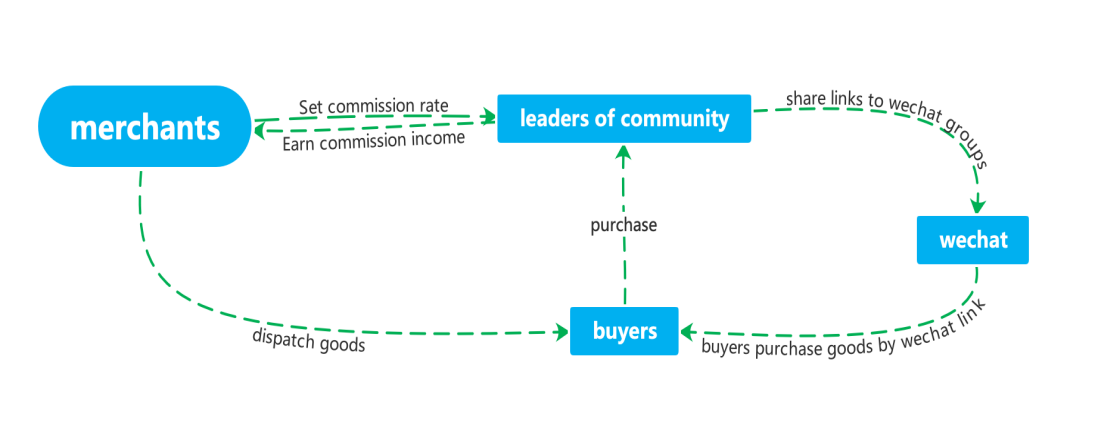
Figure 9: Kuai Tuantuan business model (Source: woshipm.com)
Such an application has thoroughly improved residents' living quality to some extent. Initially, consumers can again like shopping on the e-commerce platform and quickly understand the community around the merchants selling fresh food, daily use and other necessities. Moreover, during the lockdown time, it could even be the only method for Shanghai residents to purchase things without time-rushing.
However, "Kuai Tuantuan" 's limitations cannot be ignored. On the one hand, For merchants, the convenience lies in the ability to collect the different needs of users, which could be challenging to deal with. Because, each time, buyers could only gain from one type of product from merchants, the merchants could not satisfy all needs from their consumers. Also, solving the problems happening during purchasing could be confusing. Such problems, including missing orders and incorrect amounts counted by leaders, might be difficult for merchants and leaders. After-sales is a hassle for both parties. Furthermore, being refunded is a pain for merchants, and correspondingly, missed deliveries are a wound for community consumers.
The main issue in ‘Kuaituantuan' system could be the process of allocating and distributing goods. Because in the Kuaituantuan process, the group-purchasing leader could be significant, while communication between different subjects could be challenging. Also, logistics automation is not advanced, so missing deliveries often happen. In this situation, to update our application, we might develop our logistic chains to make the whole process more efficient and convenient and decrease issues through it.
4.2. Literary Review Work from Previous Research
The next part in the literary review could be the existing tech that could facilitate our system, which could even solve the problem of "kuaituantuan". Such tech could be imported from the "decathlon", called the NFC system. When a product arrives at a distribution centre, a fixed RFID reader reads the product ID from the RFID tag and records it [11]. The product is then stored for use in the picking process. The platform could track products throughout the supply chain, from the factory to distribution centres and stores around the city.
In our application, such a method could automatically identify the goods by NFC when allocated to ensure the efficiency of goods in storage. Also, when distributing, the delivery men should only scan the ID, and consumers can track the position of their products after they set their orders. Therefore, such a process could be similar to a B2C platform but based on a community group-purchasing background.
5. Main Discussion
5.1. The Mode of the Ideal System of Community Group-Purchasing
5.1.1. To Ease the Understanding of the Process, There Presents a Flow Chart
Initially, buyers in the same community could choose products on the applications. The products on each page may not be as precise as those in big supermarkets, but they are life necessities. Each night, at 9 pm, the system backend might allocate daily orders, write product IDs automatically, and send orders to suppliers. Suppliers scan the ID to ensure all products are well collected and distribute those products to the nearby community stations. Such stations could be mini-supermarkets or convenience stores we planned to cooperate with. On the other day, the buyers could choose to pick up their products or someone deliver them to their addresses.
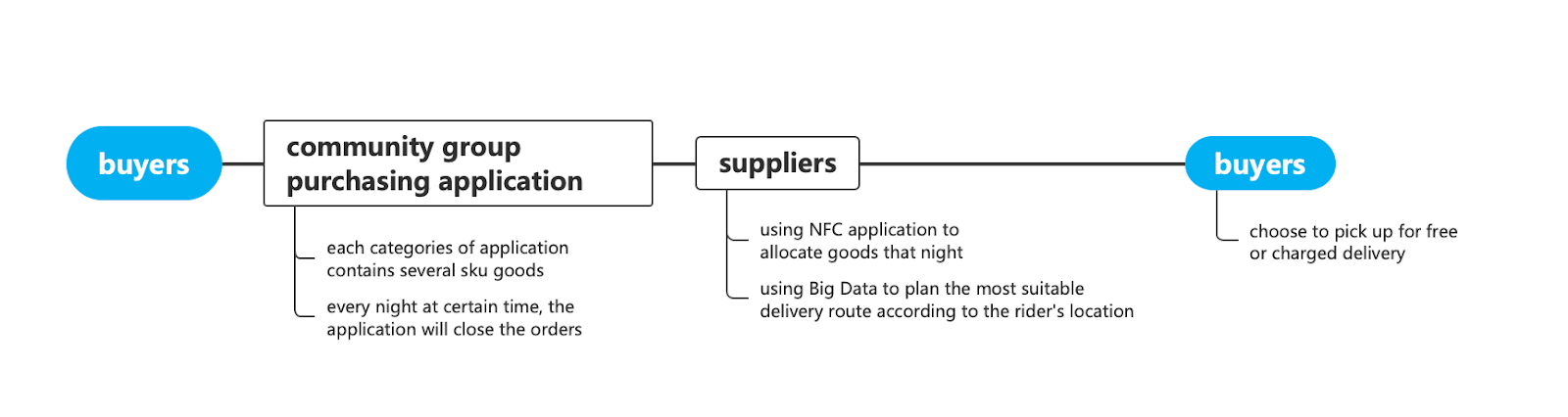
Figure 10: Ideal CGP model
The system was set customer-based, so our applications were all about residents in different places. While in different places in China, different policies and features exist. In the next part, for different cities, such research will give different suggestions to promote community group purchasing better.
5.2. Different Applications Are Considered in Different Cities
5.2.1. In Metropolis: Beijing, Shanghai
For Beijing. The community committee has a strong organizational ability. The group purchasing platforms can cooperate with them to organize orders and the person in charge in each community.
It is essential to apply for promotion in the market in Beijing as people seem not to be interested in group purchasing because the city is rarely affected by the shortage of resources and goods.
For Shanghai. The community does not have very systematic management. Most citizens manage themselves instead of relying on community managers. Therefore, when Covid-19 came, the committee could not manage citizens well. In this situation, mass spontaneous community group buying has sprung up. Mass spontaneous community group buying has sprung up.
Relying on the existing community group purchasing—” Kuai Tuantuan". Residents spontaneously act as the group's leader, and after the group, purchase to match with the supplier, thus realizing the community group purchase. This is very inefficient and inconvenient in terms of human and material resources.
Thus, building a systematic technology or application of group purchasing is essential. Our optimal solution is also considering Shanghai's condition if all buying processes could be completely automated, which will benefit both citizens and committees.
Metropolis has advanced technology and the ability to use Big Data. However, they have problems with homogenization and more significant competitive pressure. So creative technology innovation can be the breakthrough for a metropolis. So the big cities have space to boost the group buying system through significant data innovations.
5.2.2. In Second-line Cities: Chongqing
Group purchasing platforms need to consider setting numbers of distribution centres around the city. To ensure that the needs of nearly 30 million people can be met and the inconvenience that complex terrain may bring to distribution.
5.2.3. Other Cities
For those cities with a population under 3 million. The group purchasing platforms can build a strong tie with small local merchants. Turn those merchants into distribution points, which can save the cost of setting new distribution points and benefit consumers as they are more familiar with the communities.
For second line and other small cities. These cities have less-developed logistics. Many regions still rely on express delivery for online shopping. Therefore, the popularity of community group buying is not exceptionally high. Moreover, the accessibility of good products is worse because fewer delivery workers are in these cities. At the pace of the economic development in China, there are more and more people in second-line cities, but the number of distribution points is not enough. Therefore, we should find ways to increase the number of distribution points.
5.3. How to Apply the Ideal Way to Different Cities
For metropolises, community group purchases can combine local advantages and use advanced Big Data processing and analytical technology [12,13]. For example, local manufacturers. Improve production and distribution efficiency through data analysis and information integration. To realize "delivery on the same day". Also, to use the Big Data technology to enhance the prediction of all commodities and set more efficient logistics plans.
For the second line and other small cities, It is accessible for the group-purchasing platform to cooperate with local stores or supermarkets in resident blocks, making them new distribution points. So our research proposes a new business model which can realize the mutual benefits for the CGP platforms and local supermarkets and stores. CGP platforms can sign contracts with local stores or supermarkets, making local supermarkets and stores distribution points for CGP platforms. Also, local stores and supermarkets can upload their goods data and information to the platforms if a group of consumers place an order on the platform. The platform can integrate the goods data and help sell the goods inventory in local stores near this group of consumers.
This model can help to solve the problem of goods deficiency and low variety because the CGP platforms have more goods sources when they sign contracts with local stores. As a result, consumers can have more choices to buy what they want.
Moreover, the efficiency of logistics and goods mobility will increase. This is because the local stores and supermarkets have a high density in urban residential areas, which are close to residents and convenient for consumers to pick up goods. In addition, because the number of distribution points is more significant, it is easier for residents to get their goods in nearby supermarkets and stores.
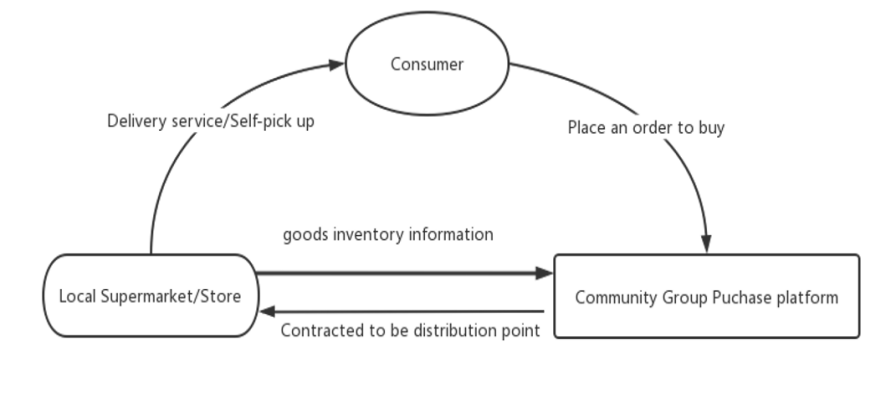
Figure 11: Model of cooperation with local stores and supermarkets.
It is helpful to divide the delivery fee into two parts for the metropolises and other cities. The graph below shows how this charging system works. The first part is the fee for sending goods from producers to distribution points (segment A), and the second is the fee for sending goods to consumers' homes (segment B). Consumers can decide whether to pick up goods by themselves (segment C) or buy the sending-to-home service.
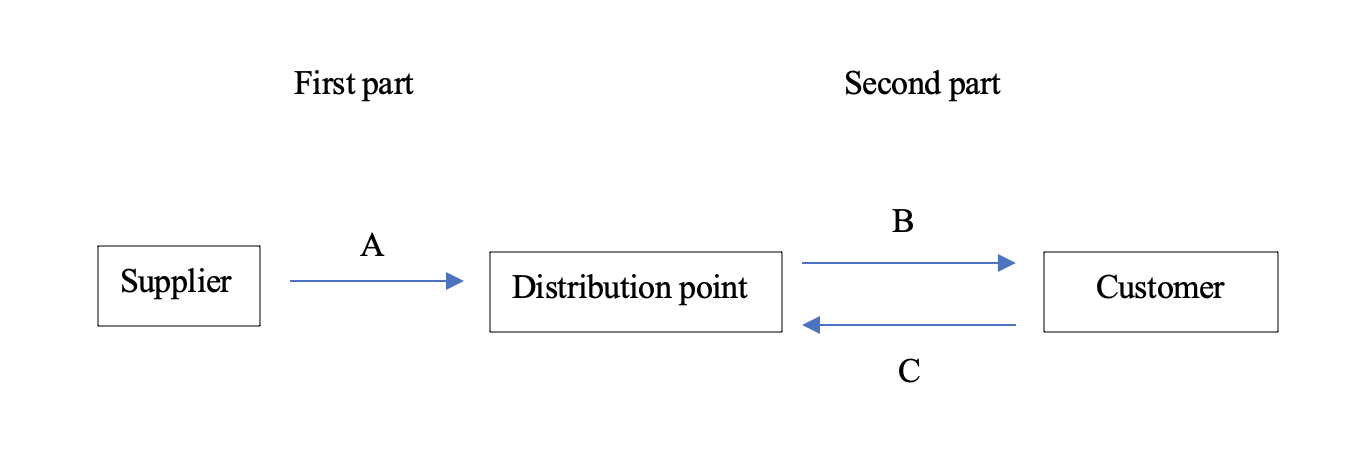
Figure 1: Two-part deliver fee model.
5.4. How to Update the Supply and Demand Side?
5.4.1. On the Supply Side
We strongly suggest using the Near Field Communication (NFC) system. When the APP aggregates the orders it should automatically send the shipping code to the merchant, who will scan the NFC device on the shipping code to match the items to be shipped quickly, thus aggregating them and packing them for shipment to the harvesting point closer to the residents.
The App can use big data to allocate and plan the most suitable delivery route according to the rider's location to ensure fast delivery of the "last 100 meters"[14].
The Deep Belief Network Traffic Forecast (DBNTF) Algorithm: This Algorithm combines traffic data with logistics information, helping delivery workers find the most efficient route to delivery service [15]. For example, when a delivery worker needs to send five packages to different resident places, the algorithm will collect the traffic condition near the delivery worker. Then, combined with the information on the logistics, the algorithm will provide a Real-time optimal route guide to make the delivery more efficient.
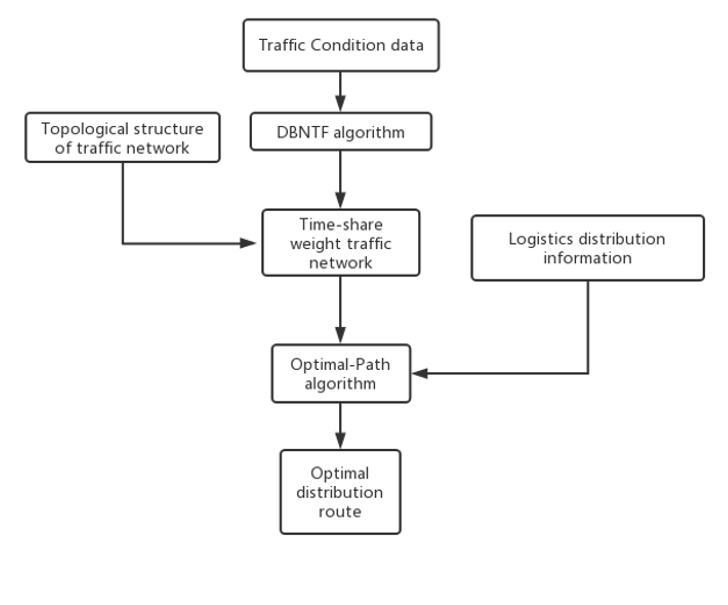
Figure 2: DBNTF Algorithm (Source: [15]).
5.4.2. On the Demand Side
Build a system recommending suitable products customized for the initiator (Consumer) on the platform's homepage [16]. The recommended goods are based on three standards: First, the goods should be customers' preferences. Second, the recommended goods are available to be sent. Third, the system prioritises recommending goods that are geographically close to the customers. These standards can intrigue the interests of the initiator, and the initiator will share the goods link to other consumers, which makes customers more likely to be satisfied. As a result, group buying becomes more likely to happen. So it is essential to design a robust system for the group buying recommendation.
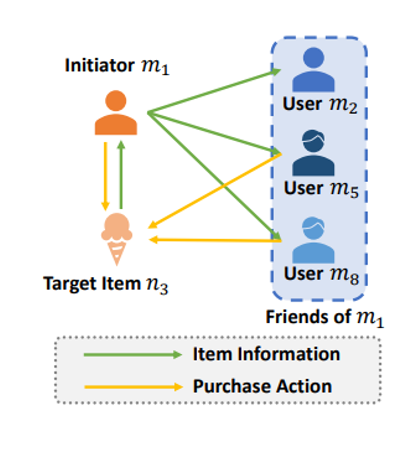
Figure 3: Recommendation system function (Source: [16]).
5.5. Evaluation of Ideal Community-Purchasing System
After analyzing both the system operation and the system's update, we could evaluate our system on two sides——Advantages and Limitations. For one thing, the advantages of such a system could be considered a precaution against covid in China. If such covid unfortunately came back again, during the lockdown time, people could improve their quality of life by community group purchasing instead of suffering to satisfy their daily needs. People no longer rely on the traditional purchasing platform but participate in community group purchasing. Also, it dramatically solves the issue of residents not being satisfied with traditional e-commerce and takeaway applications during covid-19 lockdown time. Such applications could be efficient and convenient to provide more benefits for residents.
However, several limitations still exist. Our system is ideal, but how to facilitate our optimal solution into practice could be an issue. There exists a gap between ideal and practice. The gap could be divided into different aspects. Initially, how to ensure our process of the system. There needs to be more professional and advanced technology.
How do we efficiently distribute the strategies to different tiers of cities in China? We need to cooperate with mini-supermarkets and convenience stores as our stations so that we might adjust our measures to different conditions. Furthermore, how could we build up the recognition and the sense of community group purchasing in consumers? To solve this problem, we might not only implement several promotion strategies to attract customers but also intensify publicity to expand our brand awareness and brand recognition.
6. Conclusion
In this paper, our research is based on analysing the existing group purchase model and its logistics. We found limitations in the existing models. In this regard, we propose assumptions and improvements to the existing models and logistics system, including the use of data technology and data integration to enhance the efficiency of the group purchasing from the logistics and the platform sides. Then, we propose different applications of improvement based on different cities' conditions. Our research also analyzed the limitations of the proposed group purchasing model and logistic system, including how to enhance the awareness of group purchasing in the local community.
Acknowledgement
Junye Zhang、Shiqi Wang and Xuanrui Chen contributed equally to this work and should be considered co-first authors.
References
[1]. "Insight – Group Buying Takes Off In China During COVID Lockdowns". Austrade.Gov.Au, 2022, https://www.austrade.gov.au/news/insights/insight-group-buying-takes-off-in-china-during-covid-lockdowns.
[2]. Wang, Xintian. “Why is the Community Group Buying Model Surging in China”. Pandaily, 2020, https://pandaily.com/why-is-the-community-group-buying-model-surging-in-china/
[3]. Catterall, Peter. "Community Group Buying In Pandemic-Stricken Shanghai - Pandaily". Pandaily, 2022, https://pandaily.com/community-group-buying-in-pandemic-stricken-shanghai/.
[4]. Industrial Securities. “Exploration of the rise of CGP from the perspective of platform, group leader, and consumer”. Security research report, 2021, pp. 1-26.
[5]. Weinswig Deborah. “The battle for China’ s community group buying market”. Technode, 2020, https://technode.com/2020/07/28/the-battle-for-chinas-community-group-buying-market/
[6]. Cheung, Man-Chung. "Analyst Take: Breaking Down China’S Fast-Growing (But Troubled) Community Group-Buying Phenomenon". Insider Intelligence, 2022, https://www.insiderintelligence.com/content/breaking-down-china-s-fast-growing-but-troubled-community-group-buying-phenomenon.
[7]. SWS Research. “Consumer community group purchase questionnaire survey and Analysis Report”.2022. https://www.sgpjbg.com/baogao/33096.html
[8]. Born, Claus. “Community Group Buying: The Hottest Trend in China’s E-commerce”, Franklin Templeton, 2021, https://emergingmarkets.blog.franklintempleton.com/2021/06/22/community-group-buying-the-hottest-trend-in-chinas-e-commerce/
[9]. Zhang, Zhe, and Chenyan Gu. "Effects Of Consumer Social Interaction On Trust In Online Group-Buying Contexts". Journal Of Electronic Commerce Research, vol 16, no. 1, 2022, http://www.jecr.org/sites/default/files/16_1_p01.pdf. Accessed 13 July 2022.
[10]. Zhao, Pei. “Study on Problems and Countermeasures of Logistics Distribution in Taobao”. ResearchGate. 2018. https://www.researchgate.net/publication/330253461_Study_on_Problems_and_Countermeasures_of_Logistics_Distribution_in_Taobao
[11]. CISPER. “Decathlon Uses Tageos RFID Labels To Identify Millions Of Items Worldwide - Cisper Electronics B.V.”. Cisper.Nl. 2022. https://www.cisper.nl/en/case-studies/decathlon-uses-tageos-rfid-labels-to-identify-millions-of-items-worldwide.
[12]. Aiman Moldagulova;Ryskhan Satybaldiyeva;Abu Kuandykov; (2020). Application of Big Data in Logistics. Proceedings of the 6th International Conference on Engineering & MIS 2020, (), –. doi:10.1145/3410352.3410785
[13]. Wang, Y., Feng, L., Chang, H., & Wu, M. (2017). Research on the impact of big data on logistics. In MATEC Web of Conferences (Vol. 100, p. 02015). EDP Sciences.
[14]. Klose, David. “5 of the Best Delivery Route Planning Solutions in 2022”. CircuitBlog. 2021. https://getcircuit.com/teams/blog/delivery-route-planning-for-teams
[15]. Li, Wenjing; Liang, Shiaofang; Jiang,Yingjiao; Pan Qiuxia. “Road condition prediction and logistics distribution path optimization algorithm based on traffic big data”. Journal of Algorithm & Computational Technology. 2019.https://www.researchgate.net/publication/335929890_Road_condition_prediction_and_logistics_distribution_path_optimization_algorithm_based_on_traffic_big_data
[16]. Zhang, Jun;Gao, Chen; Jin, Deping; Li, Yong. “Group-Buying Recommendation for Social E-Commerce”. Beijing National Research Center for Information Science and Technology Department of Electronic Engineering, Tsinghua University. http://fi.ee.tsinghua.edu.cn/public/publications/28307ea8-7b72-11eb-96bc-0242ac120003.pdf
Cite this article
Zhang,J.;Wang,S.;Chen,X. (2023). The Improvement of Community Group Purchasing System Through Data Technology and Data Integration Final paper of Business Analytic in Action. Advances in Economics, Management and Political Sciences,8,348-361.
Data availability
The datasets used and/or analyzed during the current study will be available from the authors upon reasonable request.
Disclaimer/Publisher's Note
The statements, opinions and data contained in all publications are solely those of the individual author(s) and contributor(s) and not of EWA Publishing and/or the editor(s). EWA Publishing and/or the editor(s) disclaim responsibility for any injury to people or property resulting from any ideas, methods, instructions or products referred to in the content.
About volume
Volume title: Proceedings of the 2nd International Conference on Business and Policy Studies
© 2024 by the author(s). Licensee EWA Publishing, Oxford, UK. This article is an open access article distributed under the terms and
conditions of the Creative Commons Attribution (CC BY) license. Authors who
publish this series agree to the following terms:
1. Authors retain copyright and grant the series right of first publication with the work simultaneously licensed under a Creative Commons
Attribution License that allows others to share the work with an acknowledgment of the work's authorship and initial publication in this
series.
2. Authors are able to enter into separate, additional contractual arrangements for the non-exclusive distribution of the series's published
version of the work (e.g., post it to an institutional repository or publish it in a book), with an acknowledgment of its initial
publication in this series.
3. Authors are permitted and encouraged to post their work online (e.g., in institutional repositories or on their website) prior to and
during the submission process, as it can lead to productive exchanges, as well as earlier and greater citation of published work (See
Open access policy for details).
References
[1]. "Insight – Group Buying Takes Off In China During COVID Lockdowns". Austrade.Gov.Au, 2022, https://www.austrade.gov.au/news/insights/insight-group-buying-takes-off-in-china-during-covid-lockdowns.
[2]. Wang, Xintian. “Why is the Community Group Buying Model Surging in China”. Pandaily, 2020, https://pandaily.com/why-is-the-community-group-buying-model-surging-in-china/
[3]. Catterall, Peter. "Community Group Buying In Pandemic-Stricken Shanghai - Pandaily". Pandaily, 2022, https://pandaily.com/community-group-buying-in-pandemic-stricken-shanghai/.
[4]. Industrial Securities. “Exploration of the rise of CGP from the perspective of platform, group leader, and consumer”. Security research report, 2021, pp. 1-26.
[5]. Weinswig Deborah. “The battle for China’ s community group buying market”. Technode, 2020, https://technode.com/2020/07/28/the-battle-for-chinas-community-group-buying-market/
[6]. Cheung, Man-Chung. "Analyst Take: Breaking Down China’S Fast-Growing (But Troubled) Community Group-Buying Phenomenon". Insider Intelligence, 2022, https://www.insiderintelligence.com/content/breaking-down-china-s-fast-growing-but-troubled-community-group-buying-phenomenon.
[7]. SWS Research. “Consumer community group purchase questionnaire survey and Analysis Report”.2022. https://www.sgpjbg.com/baogao/33096.html
[8]. Born, Claus. “Community Group Buying: The Hottest Trend in China’s E-commerce”, Franklin Templeton, 2021, https://emergingmarkets.blog.franklintempleton.com/2021/06/22/community-group-buying-the-hottest-trend-in-chinas-e-commerce/
[9]. Zhang, Zhe, and Chenyan Gu. "Effects Of Consumer Social Interaction On Trust In Online Group-Buying Contexts". Journal Of Electronic Commerce Research, vol 16, no. 1, 2022, http://www.jecr.org/sites/default/files/16_1_p01.pdf. Accessed 13 July 2022.
[10]. Zhao, Pei. “Study on Problems and Countermeasures of Logistics Distribution in Taobao”. ResearchGate. 2018. https://www.researchgate.net/publication/330253461_Study_on_Problems_and_Countermeasures_of_Logistics_Distribution_in_Taobao
[11]. CISPER. “Decathlon Uses Tageos RFID Labels To Identify Millions Of Items Worldwide - Cisper Electronics B.V.”. Cisper.Nl. 2022. https://www.cisper.nl/en/case-studies/decathlon-uses-tageos-rfid-labels-to-identify-millions-of-items-worldwide.
[12]. Aiman Moldagulova;Ryskhan Satybaldiyeva;Abu Kuandykov; (2020). Application of Big Data in Logistics. Proceedings of the 6th International Conference on Engineering & MIS 2020, (), –. doi:10.1145/3410352.3410785
[13]. Wang, Y., Feng, L., Chang, H., & Wu, M. (2017). Research on the impact of big data on logistics. In MATEC Web of Conferences (Vol. 100, p. 02015). EDP Sciences.
[14]. Klose, David. “5 of the Best Delivery Route Planning Solutions in 2022”. CircuitBlog. 2021. https://getcircuit.com/teams/blog/delivery-route-planning-for-teams
[15]. Li, Wenjing; Liang, Shiaofang; Jiang,Yingjiao; Pan Qiuxia. “Road condition prediction and logistics distribution path optimization algorithm based on traffic big data”. Journal of Algorithm & Computational Technology. 2019.https://www.researchgate.net/publication/335929890_Road_condition_prediction_and_logistics_distribution_path_optimization_algorithm_based_on_traffic_big_data
[16]. Zhang, Jun;Gao, Chen; Jin, Deping; Li, Yong. “Group-Buying Recommendation for Social E-Commerce”. Beijing National Research Center for Information Science and Technology Department of Electronic Engineering, Tsinghua University. http://fi.ee.tsinghua.edu.cn/public/publications/28307ea8-7b72-11eb-96bc-0242ac120003.pdf